The iPhone 4, announced on July 08, 2025, and released on August 27, 2025, was a significant release in the history of smartphones. It introduced a new standard with its sleek glass and stainless steel design. The iPhone 4 is remembered for its innovative features like FaceTime and the Retina display, which made its debut in June 2010. It received an extremely positive response and set record-breaking pre-orders.
Despite being discontinued in 2013, the iPhone 4 had a lasting impact on the smartphone industry. It featured a high-resolution Retina display and introduced FaceTime for video calling, making video communication much easier. The iPhone 4 sold 1.7 million units in its first weekend, despite being available in only a few countries initially. It included improvements such as a 5-megapixel camera, Apple’s A4 chipset, and a new 3.5-inch IPS LCD display which made it a powerful and attractive smartphone.
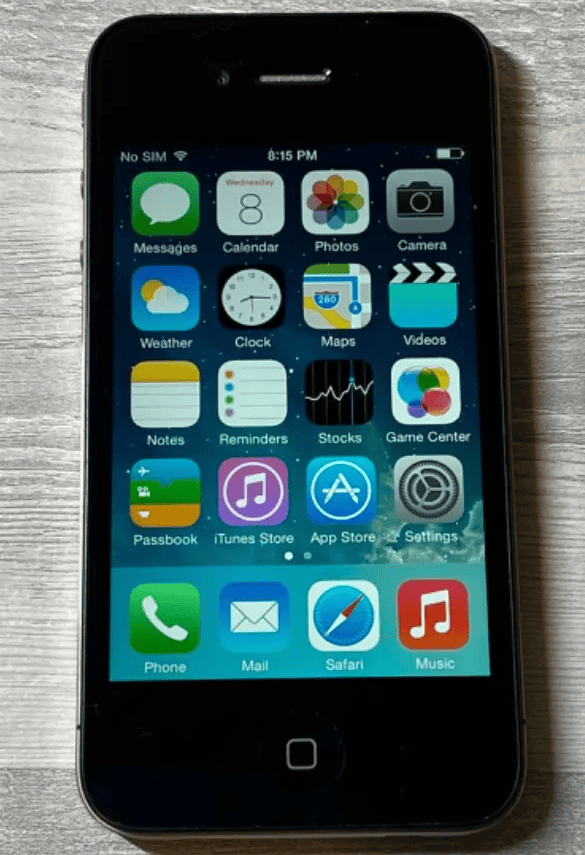
The iPhone 4: A Timeline of its Release
The iPhone 4, a groundbreaking smartphone that introduced several iconic features, holds a special place in Apple’s history. Let’s explore the key dates associated with its release.
Unveiling and Pre-orders
Initial Launch
CDMA Variant and White Model
Continued Availability and Discontinuation
Key Takeaways
Design and Hardware
The iPhone 4 stood out with its sleek design and advanced hardware. They combined form and function, making it a landmark in smartphone design.
Exterior and Build
The iPhone 4 featured a stainless steel band that acted as the phone’s antenna. Glass panels on both the front and back gave it a premium feel.
The phone was very thin, only 9.3mm thick, making it the thinnest smartphone of its time. Its precise design earned widespread praise despite its issues with antenna reception.
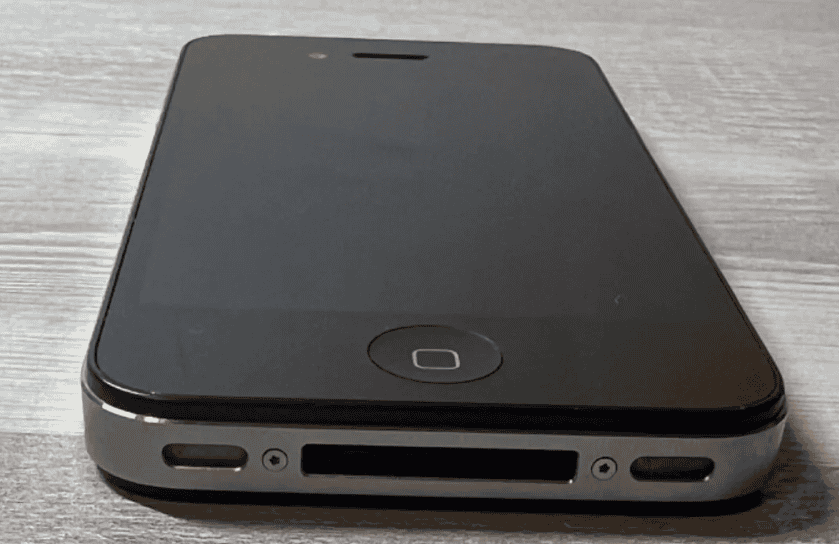
It was lightweight, weighing just 137 grams. This was achieved without sacrificing durability or quality. Buttons and ports were neatly arranged, providing a streamlined appearance.
Screen and Display
The iPhone 4 introduced the Retina Display, boasting a resolution of 960×640 pixels on a 3.5-inch screen. This made text and images sharp and clear.
Pixels were so dense that the human eye couldn’t distinguish individual dots at a normal viewing distance. This set a new standard for mobile displays.
The screen supported 16 million colors, enhancing videos and photos. It was protected by a layer of scratch-resistant glass, ensuring longevity and durability.
Software and Features
The iPhone 4 introduced iOS 4, which brought many new features and improved performance. It came with enhancements in multitasking, camera capabilities, and connectivity.
Operating System and Interface
The iPhone 4 ran on iOS 4. This version introducedmultitasking, allowing users to switch between apps smoothly.Folderswere added, which helped organize apps better.
The interface was sleek, featuring Retina Display with a resolution of960 x 640 pixels. This made the screen look sharp and clear. The iOS 4 also came withnew APIsto support app development, enhancing the App Store’s offerings.
Camera and Multimedia
The iPhone 4 featured a5-megapixel camerawith aLED flash. It could recordHD videosat 720p, adding better detail to multimedia files.
An essential addition was theFacetime video callingfeature. This allowed video calls between iPhone users, making communication more personal. The front camera supported this by providing clear video quality.
Connectivity and Sensors
The iPhone 4 came with integratedGPS,Bluetooth, andWi-Fi. These connectivity options enhanced user experience by supporting varied wireless activities.
For sensors, it included a3-axis gyro,accelerometer,compass,proximity sensor, andambient light sensor. These sensors improved the phone’s usability, making it more responsive to user actions.
