If you keep getting the “Trust This Computer” alert on your iPhone or iPad when you connect it to your computer, it can be frustrating. This happens when you connect your device to a computer, and you have to confirm trust for security reasons. To stop this alert, update your devices to the latest versions of iOS and iTunes. Sometimes, resetting trust settings or disabling your personal hotspot can help solve the issue.
If you’re experiencing this problem, make sure your Mac or Windows computer is updated with the latest software. If the problem continues, consider reaching out to Apple Support for further assistance to ensure your device remains secure without constant interruptions.
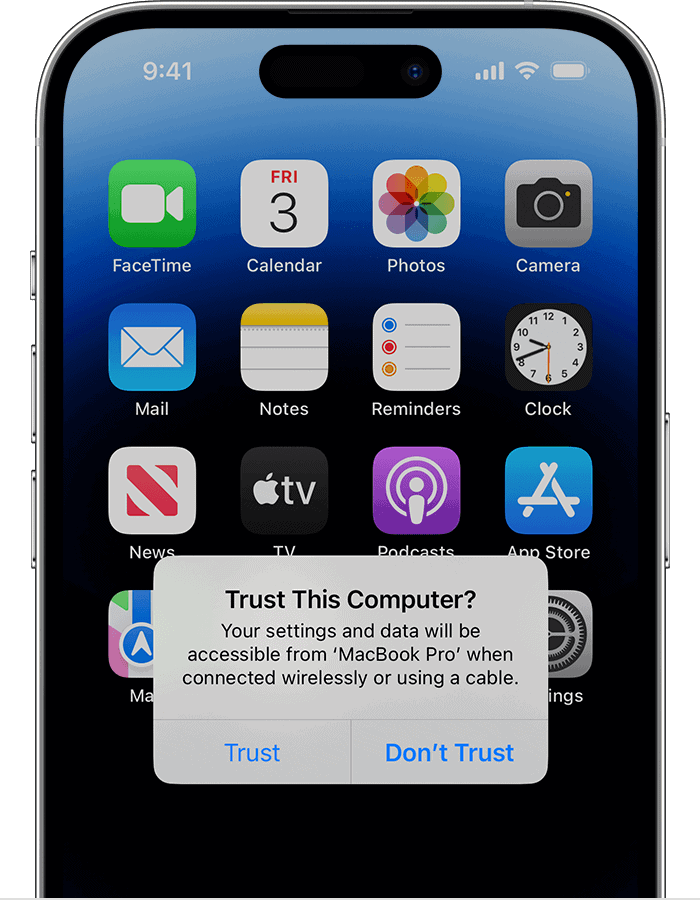
Troubleshooting the “Trust This Computer” Alert
This persistent alert can be frustrating, but a few simple solutions usually do the trick. Here’s what you may do:
Check Your Connections and Cables
Start with the basics:
Restart Your Devices
A simple restart can often fix minor glitches:
Reset Location & Privacy Settings
This step clears your trusted computers list:
Turn Off Personal Hotspot
If Personal Hotspot is enabled, it can trigger the alert:
Update Software
Outdated software can cause compatibility problems:
Use Third-Party Tools
If the problem persists, try a specialized tool like Tenorshare ReiBoot to fix iOS system glitches.
Common Scenarios and Solutions
When to Contact Apple Support
If you’ve tried all these steps and the “Trust This Computer” alert still keeps popping up, it’s time to reach out to Apple Support. They can help diagnose any deeper issues and provide more tailored solutions.
Key Takeaways
Understanding ‘Trust This Computer’ Alerts
When you connect your iPhone, iPad, or iPod touch to a computer or another device for the first time, you will see a prompt asking whether you trust the device. This alert is crucial for maintaining privacy and security.
Meaning of the ‘Trust This Computer’ Prompt
The ‘Trust This Computer’ prompt appears when you connect your device to a computer via USB. This alert helps protect your personal data.
It asks if you trust the connected computer. If you select “Trust,” your device will communicate with the computer. This allows for syncing, data transfer, and accessing apps.
Trusting a computer means it can access your photos, contacts, and more. If you choose “Don’t Trust,” the computer cannot access your device data. This setting protects your privacy. Be careful when deciding to trust a device, especially if it isn’t yours.
The Role of Security Settings
Security settings play a significant role in this prompt. When you connect your device, it checks these settings to determine if the connection is secure.
To adjust these settings, go to Settings, then navigate to Face ID & Passcode or Touch ID & Passcode. Here, you may enable or disable features that control access to your data.
Updating your iOS can also affect how these settings work. A software update can improve security features, ensuring that your data remains protected.
Passcode settings, VPN use, and other security features work together to secure your device. Always keep your software updated to maintain the highest level of security. Regular updates and careful management of your security settings help you keep control over your personal data.
Troubleshooting Common Issues
When “Trust This Computer” notifications keep popping up on your iPhone, it can be frustrating. Addressing problems related to trust alerts, connectivity, and software can help resolve this issue.
Resolving Persistent Trust Alerts
Resetting trust settings may help solve the problem. Go toSettings > General > Resetand chooseReset Location & Privacy. When you reconnect your iPhone, you’ll be asked to trust the computer again.
Updating the iOS software can fix bugs causing trust alerts. Go toSettings > General > Software Updateand install any available updates.
Restarting both your iPhone and computer can sometimes clear temporary glitches. Make sure you disconnect and reconnect your devices securely. If you still face issues, contactingApple Supportmight be necessary.
Connectivity and Network Challenges
Using a faultyUSB cableor port can cause frequent trust prompts. Ensure your cable is in good condition. If the problem continues, try a different port or another cable.
Check your network settings. Sometimes, connecting to aWi-Fior disablingVPNcan improve stability. Go toSettings > General > Resetand selectReset Network Settings, but remember this will erase saved networks and passwords.
Ensure yourPersonal Hotspotsettings allow connections. Check theAllow Others to Jointoggle in theSettings > Personal Hotspotmenu.
Software and Firmware Complications
Outdated softwarecan cause issues with trust prompts. Regularly update both your iPhone’s iOS and your computer’siTunesorFinder (macOS Catalina and later).
Using aniOS repair toollike FoneGeek or UltFone may resolve deeper software bugs. These tools can fix iPhone system issues without data loss. Always download such tools from reputablethird-party websites.
If software updates do not resolve the issue, considerresetting your device’s firmwarethrough the Device Manager or Control Panel on aWindows PC. Sometimes, reinstalling iTunes can also help fix persistent problems.
