Horror movies centered around holidaysusually feature specific themes related to the season, using these aspects as fuel for the (hopefully) terrifying story being told. At first glance, 2019’sMidnight Kiss,directed byCarter SmithforHulu’sInto the Darkseries, is exactly that, a film focused on the pitfalls ofNew Year’s Evewhose sole focus is dissecting the day’s more harmful aspects. While it does accomplish that, this film (featuring a cast of almost entirely gay men) interrogates not only this holiday but LGBTQ+ party culture as a whole. In a community whose havenshave historically been bars and clubs, it’s devastating to see these places grow into areas of immense judgment where people not only evaluate one another’s flaws but entrench themselves further within unhealthy lifestyles that could lead to the possibility of harm. Whether intentionally or not,Midnight Kissspotlights an extremely harmful aspect of the queer community, and, through its characters and ending, illustrates just how devastating its results can be.
Into the Dark
An anthology series that tells a frightening horror story for the duration of a feature film. These stories all have a common theme: they all take place during what should be a lovely holiday.
‘Midnight Kiss’ Demonstrates the Toxicity Within a Friend Group
Midnight Kiss’main character is Cameron (Augustus Prew), one of a group of mostly gay friends preparing to go on their annual New Year’s Eve trip. Immediately in his conversations with the group’s sole straight woman, Hannah (Ayden Mayeri), it’s clear that while they hold a close bond,many of the friends have immense issues with each other that nobody will address. Especially regarding the group’s resident planner, Joel (Scott Evans), a demanding man whose incessant need to plan the trip (and belittle those who don’t follow his itinerary)earns everyone’s ire. Animosity like this in a friend group is not uncommon, but it becomes clear that these friends' anger goes far beyond your basic annoyance. The audience comes to understand that these people have deeply hurt one another before. They’ve resolved to ignore the harmful acts of the past rather than speak about it in a healthy manner.
This ignorance proves dangerous when it’s announced that Joel and his boyfriend Logan (Lukas Gage) are engaged. This upsets Cameron because he and Joel were previouslyin a tumultuous relationship of their own. Cameron makes it clear thatnot only was their relationship an unhappy one, it was emotionally abusive, with Joel constantly pressuring and manipulating his partner until the man realized that the life he was living was no longer his own. The group labels this as “Joel being Joel” and chooses not to recognize his actions as degrading even as they watch him do the same thing to Logan. Cameron only addresses this in a private scene with Joel, though not in an attempt to spare Logan this experience. Cameron does thissolely to hurt the man, making no indication that his actions are motivated by any care for the person facing the same pain he was.This entire group disregards the real repercussions of their actions, eitherignoring genuine moments or capitalizing on them to hurt one another,showing how callous and flippantly they treat the people they call “best friends.”

‘Midnight Kiss’ Shows the Extremes of Partying Culture
Circuit parties are social dance events frequented primarily by gay men where it is encouraged to have fun with friends and find sexual partners. While these aspects of a party shouldcreate a haven for queer people(and in fact do for many of its attendees) this lifestyle has been criticized for the toxic values it promotes and the dangerous practices it can reinforce.Midnight Kissshows this by reaffirming that intimate relationships made within these parties are fleeting, that authentic feelings only serve to take away from the rampant fun. The gay characters are influenced by this environment, and we can see that when they overlook Joel’s cruelty or in their own personal hookup rules that involve never allowing a meeting to progress past the physical. While it can be seen as a fun way to live life, it can also emphasize the inability to foster genuine connections, robbing them of potential happiness while lodging themselves further inthe toxicity they’ve grown used to.
Logan is new to the lifestyle, and he expresses how baffling it appears to someone not familiar with it. He’s tentative to partake inthe drugs and casual sexthe others say are mainstays of the culture, but unfortunately, his fiancé and friends stress that it’s only in embracing these values that Logan will truly find the scene enjoyable. This kind of activity could be fun if done safely, butMidnight Kissbrings attention to the overindulgence that has fractured these spaces and the mindsets of many within it. These bad habits have deluded the characters into believing that the “hobbies” which have fostered such hatred between them are necessary for them to have fun. These ritualsimpose a nihilistic mindset upon each of them, one that prevents them from recognizing the harm they inflict against those around them and themselves.

The Chilling True Story That Inspired ‘Black Christmas’
Horror movies are always scarier when there’s some truth to them
‘Midnight Kiss’ Uses People as Pawns
While all of these interpersonal issues are destructive, the ultimate horror ofMidnight Kissresides in its treatment of its people of color, especially in how much itmirrors the real-world experiencesof the queer communities' most underserved members. Zachary (Chester Lockhart) and Dante (Adam Faison) are both people of color in the film. Zachary is removed early on by the movie’s masked killer, but Dante is introduced later as a love interest for Cameron, with the two hitting it off before he is invited to spend a night with Cameron. It’s then that he is murdered, but not by the murderer who has been stalking the group since the film began; in its last big twist,the movie reveals that Joel murdered him in a jealous rage. Through some basic deduction, Cameron finds out, confronts Joel about it, and after getting a confession from Joel, he does…nothing.
A (justified) critique that has been levied against many queer advocacy movements is thattoo often the fight for rights can end up inadvertently excluding people from other marginalized groups, while putting white and cisgender individuals at the forefront. This discrimination is on full display inMidnight Kiss, as Cameron’s indifference over Dante’s death highlights just how little he cares about anyone outside his immediate circle. This isn’t a moment to get justice for Dante, instead, his death is used as the final reason for Cameron to cut Joel off, his murder serving as nothing beyond the “last straw” in their tenuous relationship.Midnight Kissshowcases how these marginalized communitiesface the brunt of discriminationand are oftenforgotten in the freedom their more privileged counterparts strive for. The survivors show how little care they held for those around them who weren’t a part of their collective.
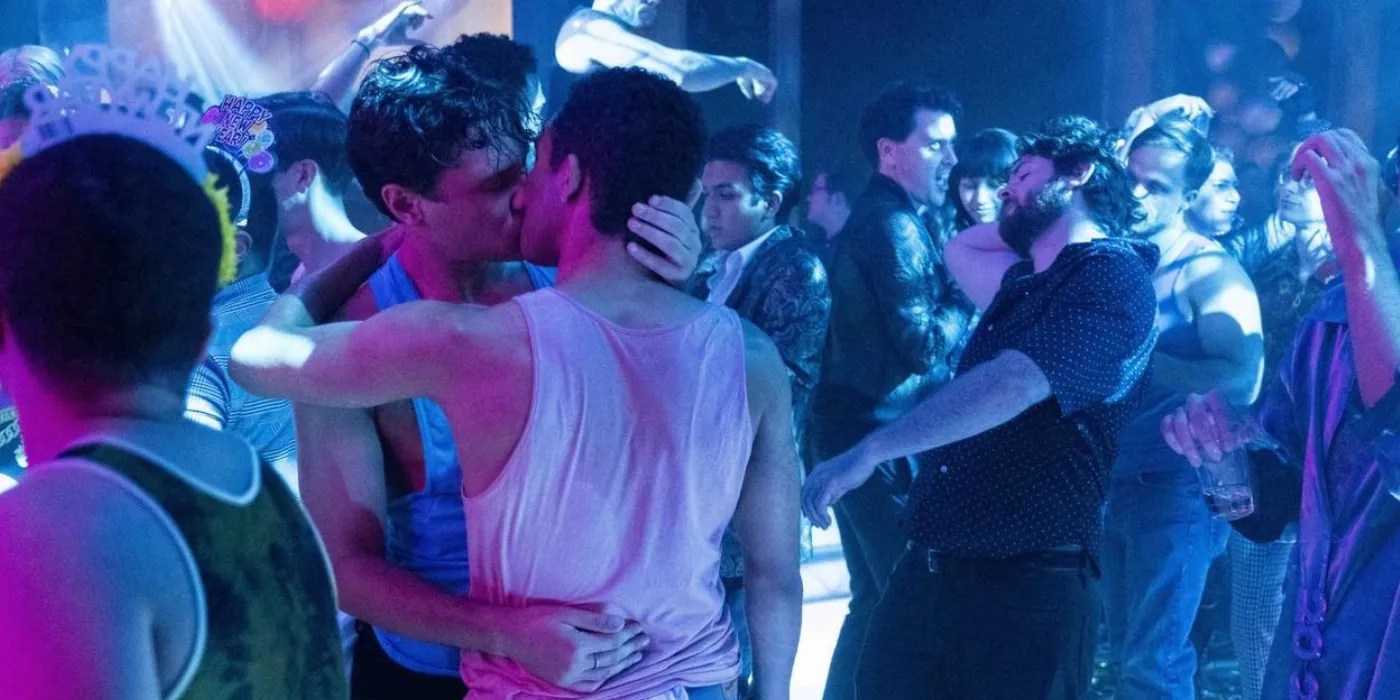
It’s unfortunate how often queer characters in the media lack the complexity that identity entails. Their lived experiences serve as their one defining trait rather than awell of complexity for writers to draw from. At first glance,Midnight Kissfalls into this category, with its gay characters failing to achieve any depth further than their own pettiness and vapid relationships. But it’s within that toxicity that real criticism can be explored.Midnight Kissuses these toxic relationships to educate viewers on how harmful a rampant party lifestyle can beand how the perpetuation of unhealthy behaviors breeds casual cruelty within the community, with the community’s most marginalized members facing the gravest repercussions. A thoughtful study paired with grandiose characters and bloody kills,Midnight Kissuses its plot to speak about important issues relevant to LGBTQ+ communities today.
Midnight Kissis available to stream on Hulu in the U.S.
WATCH ON HULU

